FRENCH KEYS 360 · HOMEOWNER GUIDE
How Often Should a Florida Vacation Home Be Checked While You’re Away?
A practical guide for snowbirds, seasonal residents and owners who live elsewhere.
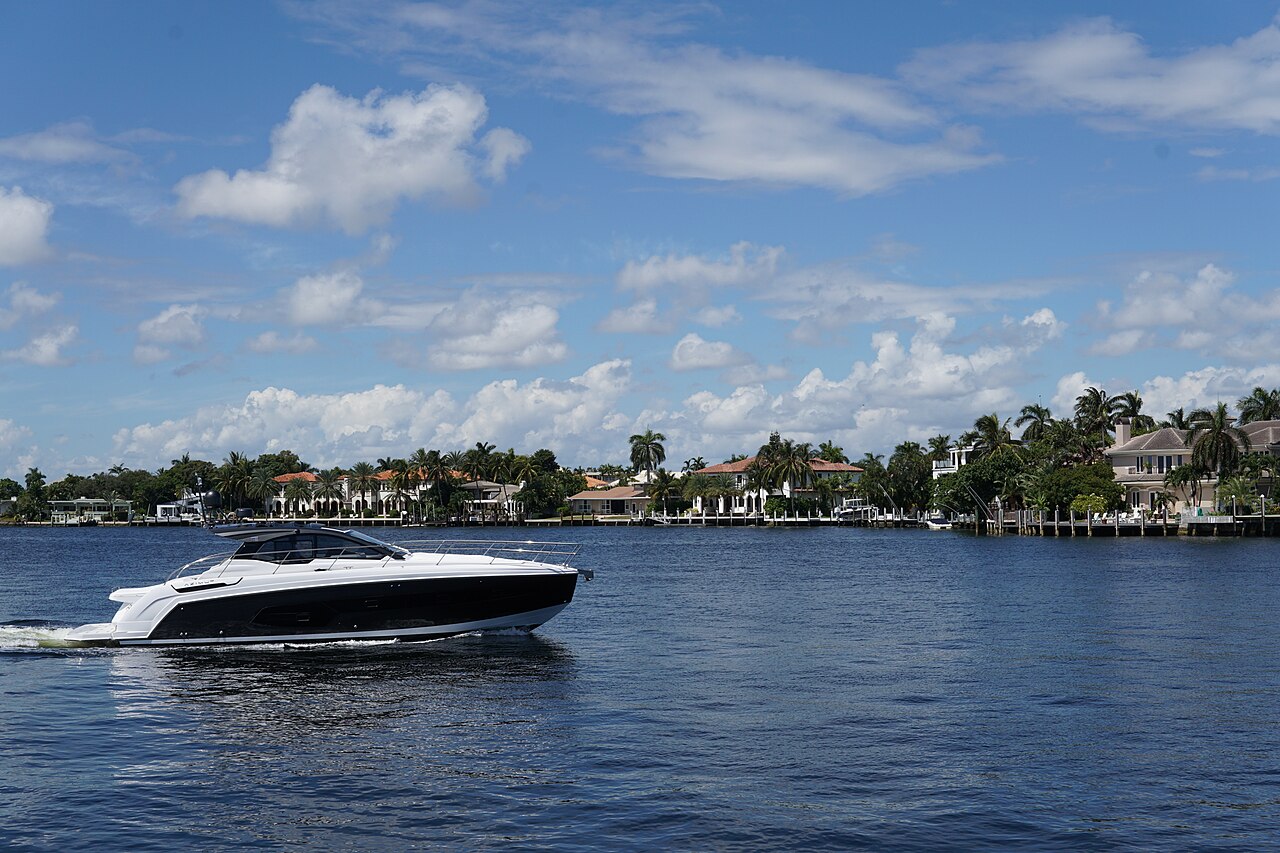
If you own a seasonal or vacation home in Florida, one of the most important questions before leaving is simple: how often should someone physically check the property while you’re away?
There is no single schedule that works for every home.
For many seasonal properties in South Florida, weekly or biweekly Home Watch visits can provide a practical starting point. But the right frequency depends on your insurance policy, the length of your absence, your property, its systems, the season and the level of remote monitoring already in place.
In Florida, humidity, HVAC failures, plumbing leaks and severe weather can turn a small problem into a much larger one when a home remains unattended.
Here’s how to determine the right Home Watch schedule for your property.
QUICK ANSWER
Start with your insurance policy. Then consider weekly visits or visits every two weeks based on your home, the season and your time away. Neither schedule is right for every property.
The Short Answer: Start With Your Insurance Policy
Before deciding between weekly, biweekly or another schedule, check your homeowners insurance policy. Some policies contain specific provisions concerning vacant or unoccupied properties. Requirements can vary considerably between insurers and policies.
Your insurance company or insurance agent should always confirm any inspection or vacancy requirements that apply to your specific policy.
A documented Home Watch service can provide a record of scheduled visits and visible property conditions, but it does not replace the terms of an insurance contract.
Why Florida Homes Need More Attention When Left Empty
Florida creates several conditions that make prolonged absence different from leaving a home unattended in many other parts of the country.
Humedad
Florida homes depend heavily on air conditioning and moisture control.
The U.S. Environmental Protection Agency recommends keeping indoor relative humidity under 60%, with 30–50% as the ideal range when possible, to help manage moisture and mold.
If an HVAC system stops operating correctly while a house is closed, indoor conditions can change without the homeowner knowing.
A Home Watch visit can identify visible warning signs and verify conditions that remote technology may not detect.
HVAC Problems
For an occupied home, unusual temperature, noise or airflow may be noticed quickly. In an empty home, nobody may notice.
A scheduled visit can verify visible operating conditions, thermostat readings and other agreed checkpoints. Technical diagnosis and repairs belong with a qualified HVAC contractor.
Water Leaks
A slow leak under a sink, around a toilet, from an appliance or elsewhere in the property can remain unnoticed when nobody is home.
Connected leak sensors can provide useful additional information between visits, but they do not visually inspect the entire property. Physical Home Watch and connected monitoring can work together.
Storms and Hurricane Season
NOAA identifies June 1 through November 30 as the Atlantic hurricane season. Storms can also occur outside those dates.
South Florida property owners may choose additional checks before or after significant weather, depending on conditions and accessibility. Post-storm timing depends on safe access and local restrictions.
Routine Home Watch does not replace hurricane preparation or emergency services.
Weekly or Biweekly Home Watch: Which Is Better?
For many seasonal South Florida homeowners, weekly or biweekly visits are a useful starting point — but neither schedule is automatically right for every property.
EVERY WEEK
Weekly Home Watch May Make Sense When:
- The property will remain empty for several months.
- The home has experienced previous leaks or HVAC issues.
- The owner is away during the hotter and more humid months.
- The property has complex systems.
- The home is waterfront or exposed to coastal conditions.
- The insurance policy requires a shorter interval.
- The homeowner wants more frequent documented oversight.
EVERY TWO WEEKS
Biweekly Home Watch May Be Appropriate When:
- The absence is relatively short.
- The property and systems are newer or well maintained.
- Connected leak, temperature and humidity monitoring is in place.
- There are no stricter insurance requirements.
- The property has a lower risk profile.
These are general examples, not insurance or property-specific recommendations.
Does Smart Home Monitoring Replace Home Watch?
No. Connected sensors can detect specific data or events such as:
- Water detection
- Temperature changes
- Humidity changes
- Device connectivity issues
But sensors cannot observe everything happening inside or outside a property. A physical visit may reveal visible conditions that a sensor cannot identify.
Likewise, a scheduled physical visit cannot continuously monitor conditions between visits.
That is why French Keys 360 combines structured PropertyCare360 visits with connected monitoring options when appropriate.
What Should Be Checked During a Florida Home Watch Visit?
- Visible signs of leaks or water intrusion
- HVAC and thermostat conditions
- Temperature and humidity where applicable
- Doors and accessible windows
- Plumbing fixtures included in the visit protocol
- Visible electrical or appliance irregularities
- Signs of pests
- Ceilings, walls and floors for visible changes
- Exterior conditions
- Packages or unusual activity
- Property-specific checkpoints requested by the homeowner
A Home Watch visit is a visual observation of the property. It is not the same as a licensed real-estate home inspection, engineering inspection or insurance inspection.

What If You Own a Home in Fort Lauderdale?
Fort Lauderdale homeowners face many of the same South Florida concerns, with additional considerations for waterfront residences, condominiums, gated communities and homes left vacant while owners live elsewhere.
For homeowners spending part of the year outside Florida, a structured local Home Watch service can provide regular documented oversight and a local point of contact.
How to Choose the Right Home Watch Frequency
Start with five questions:
- Does my insurance policy specify a required visit frequency?
- How long will the property remain unoccupied?
- What condition are my HVAC, plumbing and other systems in?
- Will the home be empty during South Florida’s hotter or storm-prone months?
- Do I have connected leak, humidity and temperature monitoring?
The right schedule should reflect the home’s actual risk profile rather than an arbitrary number of visits.
For a shorter absence, Home Watch temporal may be worth discussing. Compare our plans once you have confirmed the frequency your home needs.
A Better Approach: Physical Visits + Connected Monitoring
French Keys 360 believes Home Watch works best when human observation and technology complement each other.
A scheduled visit provides real eyes on the property. Connected monitoring provides additional information between visits. A documented report creates a history of what was observed.
And when something unusual is identified, local coordination helps the homeowner decide what happens next.
This is the principle behind PropertyCare360.
FAQ — Florida Vacation Home Watch
How often should someone check my Florida vacation home?
There is no universal schedule. Many seasonal homeowners consider weekly or biweekly visits, but the appropriate frequency depends on the property, season, length of absence, monitoring systems and any requirements contained in the homeowner’s insurance policy.
Should a Florida home be checked every week while vacant?
Weekly visits may be appropriate for longer absences or properties with a higher risk profile, but they are not automatically required for every home. Always check your insurance policy first.
Is every two weeks enough for a Florida vacation home?
It may be appropriate for some properties, particularly when additional monitoring is in place, but the decision should depend on the property and insurance requirements.
Does having cameras mean I don’t need Home Watch?
Security cameras can provide valuable visual information but usually cover only specific areas. They do not replace a structured physical walkthrough of the property.
Do leak sensors replace Home Watch?
No. Leak sensors can detect water at specific monitored locations, while a Home Watch visit can observe other visible conditions throughout the property. The two approaches can complement one another.
Should my home be checked after a hurricane?
After significant weather, checking the property may help identify visible changes or damage. Timing depends on local conditions, accessibility and safety.
Can Home Watch satisfy my homeowners insurance requirements?
Requirements vary by insurer and policy. Home Watch can provide documented visits, but homeowners should confirm their individual obligations directly with their insurance company or agent.
Leaving Your South Florida Home?
Tell us about your property, how long you’ll be away and the level of oversight you’re looking for.
French Keys 360 can help you build a PropertyCare360 plan combining scheduled Home Watch visits, documented reporting, local coordination and connected monitoring options.
Sources: EPA — A Brief Guide to Mold, Moisture and Your Home; NOAA — What is a hurricane?.
Local photography: U+1F360 / CC BY-SA 4.0; aerial view: formulanone (Josh Lintz) / CC BY-SA 2.0. Images resized; display crops vary. Local landscapes, not client properties.

